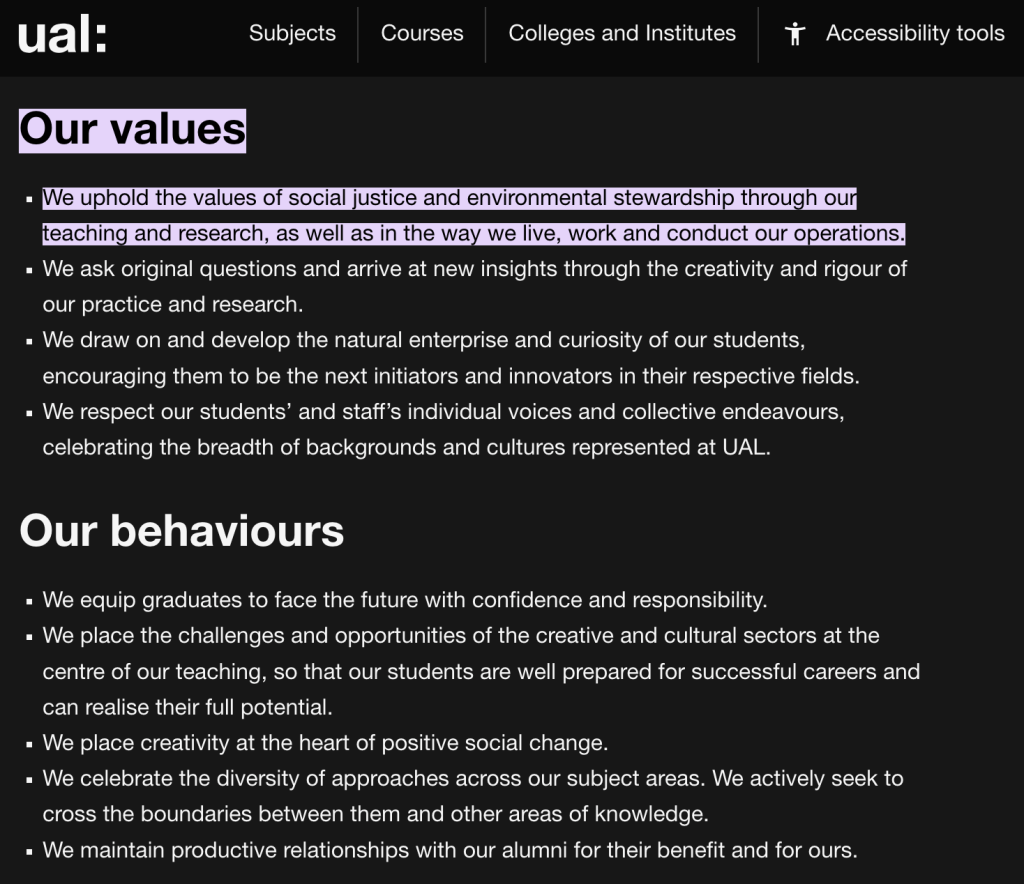
Working at UAL makes you feel proud, as they put Social Justice at the heart of everything they set up, meaning we put it at the centre of everything we do.
Shades of Noir (SoN) is an independent programme which offers safer spaces to have critical conversations and interdisciplinary discussions around everything and anything to do with education and social justice. The resources they have built are not only indispensable to all UAL teaching and support staff, but are inspirational and accessible to the world, hopefully making it a better place to be for all of us.
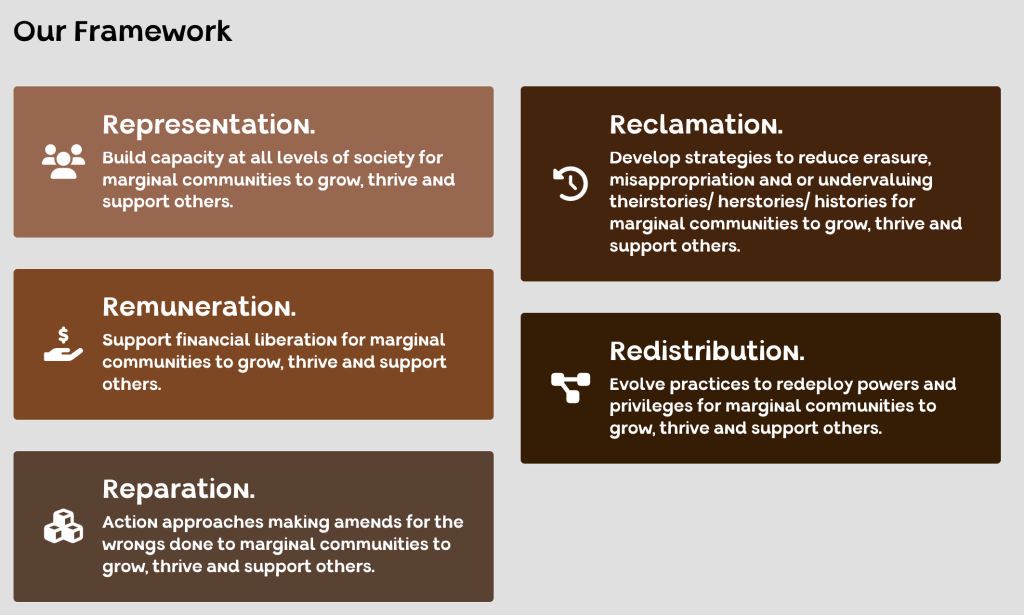
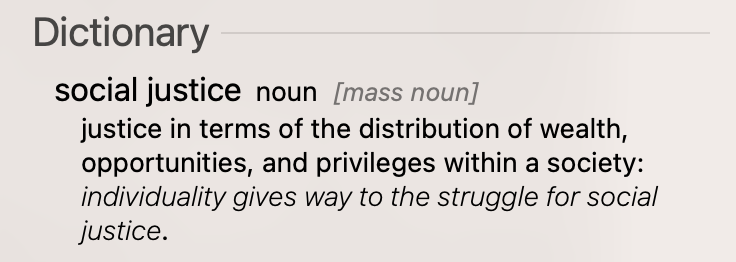
From journals to pedagogical approaches to curriculum design, SoN exist to support the highest level inclusivity and excellence within teaching, but what exactly is Social Justice and how do we implement it in our work practices?
Social Justice: To go forth and “empower participants to engage in social justice activism“…
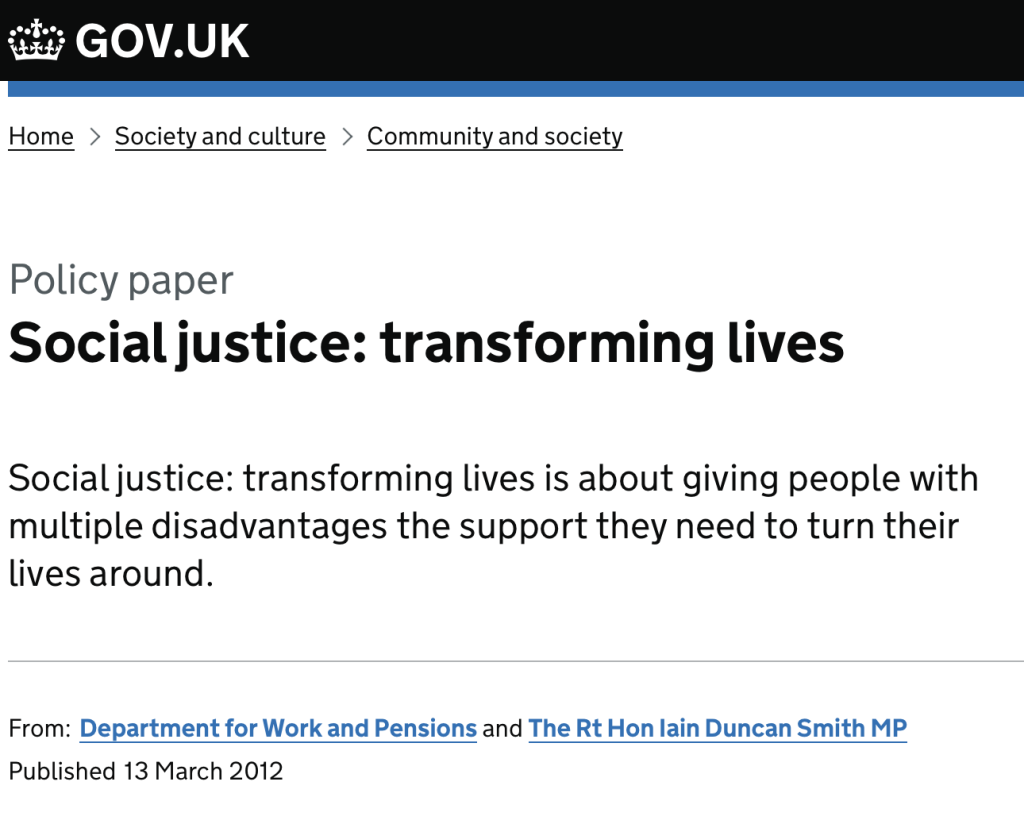
Social justice: transforming lives is about giving people with multiple disadvantages the support they need to turn their lives around.
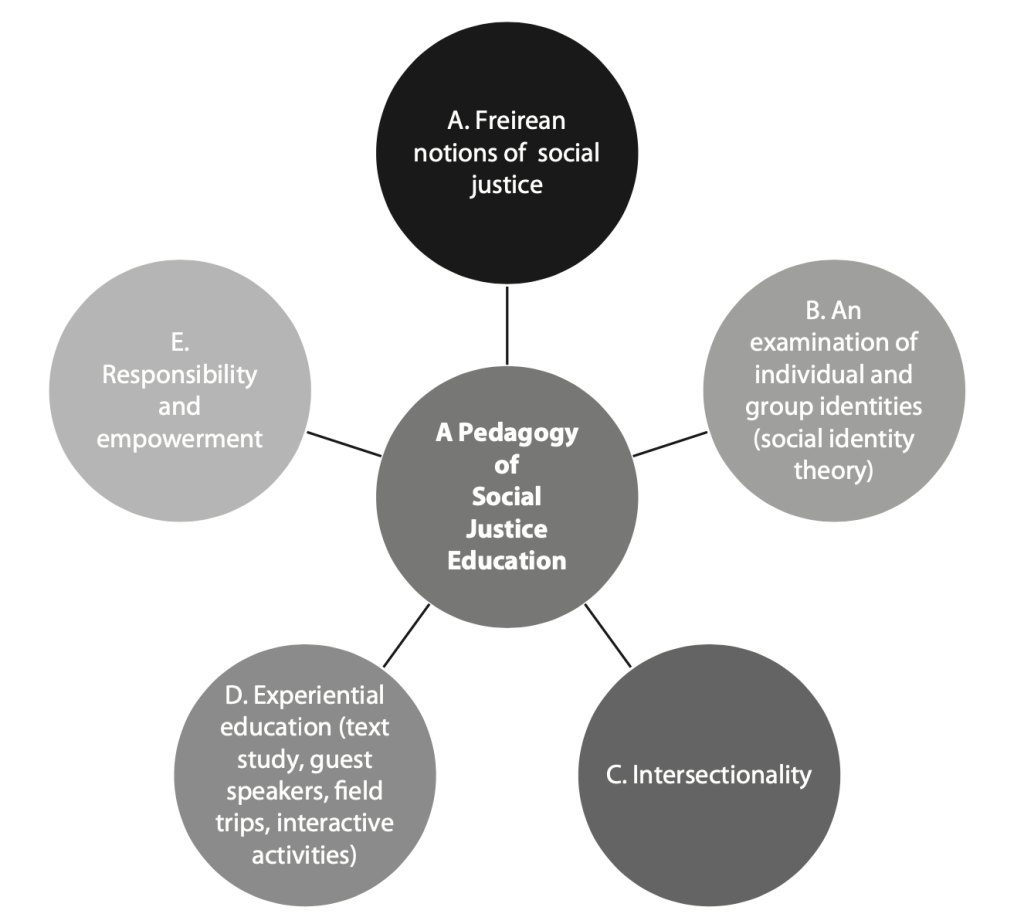
In the opinion of Aaron J. Hahn Tapper (Tapper, 2013) in their paper A Pedagogy of Social Justice Education: Social Identity Theory, Intersectionality, and Empowerment Social Justice in Education is described as having no single meaning or use, yet looks at the deeper manifestation of ideology and application in this area though interviews with educators, administrators and students. Paulo Freire is mentioned of course, due to their insights into social identity theory, and intersectionality and reinventing power to integrate student voices into the education experience building an interlocked relationship between teachers and students by taking account of student realities and their situation in the world. The paper presents a pedagogy of Social Justice Education.
The primary goal of contact hypothesis is to have “students teach one another about social identities and intergroup dynamics using critical thought” through “intergroup cooperation and teamwork” but it’s important to make the intergroup encounters non-superficial and reflect on equality and individual’s social identities, else getting that wrong could shape power dynamics for the worse.
In my role as AL, setting group tasks is at the forefront of the class and as specialist technician, getting students to bond in the lab though talking, music, humour and group problem solving, is one of the nicest parts of the job- and I didn’t even realise I was already using some of the social identity theories mentioned in this paper. In the lab, we talk freely and often cover the understandings of their individual and group identities, awareness and existence of social inequalities and join together in completing a physical problem, brining them a sense of empowerment and confidence.
Witness: unconscious bias
In this story about unconscious bias, Josephene talks about how she knew racism existed when she was just four years old, and that reminded me of a situation that happened when I was just four;
My parents took us out for a meal, when in restaurants then used to play live music. As my father was a sessional musician with them, I was introduced to the live band after the meal and before desert. I pointed out that one of the bands members was different to all the rest, and my mum asked me, how is he different Matthew? I said because he had a moustache. The fact that he happened to be a man of colour didn’t even enter into my mind, or maybe it did but I chose to go with the moustache, which gets me thinking, did I know about racism at four? I don’t really know, I mean, as I was four!
I do think growing up in Sheffield, with a large number of settled immigrants of all types has shaped me to be open to seeing every person as a whole, with their own identities and positionalities to life, yet agree with the video, that we all have to watch out for unconscious bias and be ready to intervene when we see it.